
“Cold War”
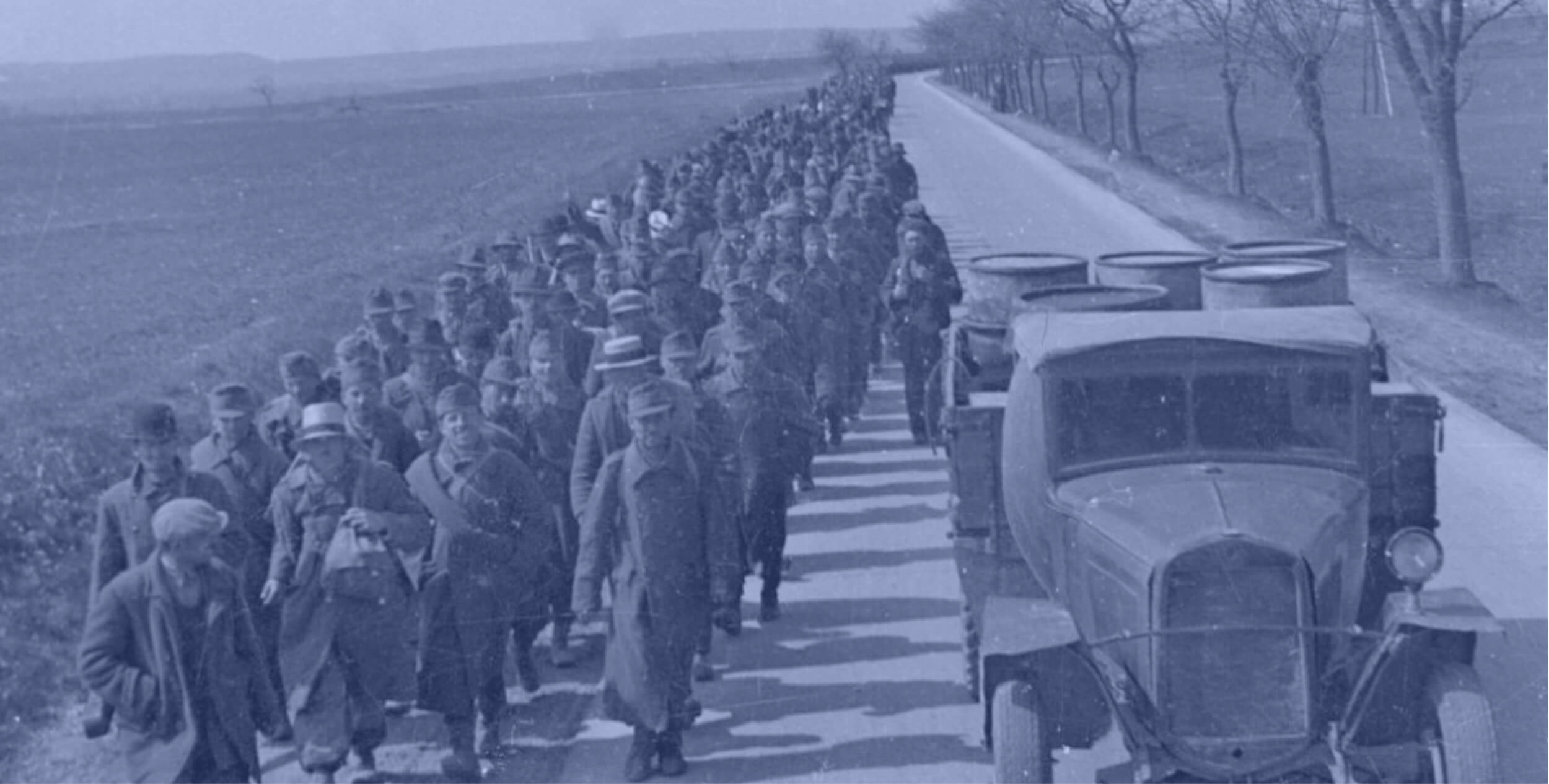
As a consequence of World War II, the Western powers and the so-called Eastern Bloc faced each other for decades in the “bipolar world,” each attempting to diminish the influence of the other side through political, economic, technical, and military means. On the Cold War map, Austria formed a deep corridor into the Eastern Bloc. Politically and militarily neutral since 1955, the country—located in the “heart of Europe” and sharing over 1,100 kilometers of borders with communist neighboring states—served as an outpost and “showcase” of the Western world.
Due to this geopolitical position, Austria was situated at the intersection of the East-West confrontation. It was directly affected by crises in the Eastern Bloc, such as the suppression of the Hungarian Uprising in 1956 and the Prague Spring in 1968. At the same time, this position favored the development of a neutral policy during the Cold War: acting as an icebreaker and “bridge-builder” between East and West, as well as an international meeting place. During the Cold War, Austria also became one of the major hubs for intelligence agencies.
Programmlinie Leader:
Peter Ruggenthaler
Senior Researchers:
Philipp Lesiak (since 2006)
Dieter Bacher (since 2007)
Sabine Nachbaur (since 2013)
Anna Graf-Steiner (since 2019)
Junior Researcher:
Christoph Huber (since 2022)
Current FWF Research Projects:
- “Helsinki-Effekt” oder Realpolitik? Die Rolle und Bedeutung der KSZE-Schlussakte für die österreichische Nachbarschaftspolitik, 1975-1989
- Österreichisch-sowjetische Wirtschaftsbeziehungen 1955-1964
- Aktivitäten tschechoslowakischer Nachrichtendienste
Further Research Projects:
News
Contact
Peter Ruggenthaler
Stellvertretender Leiter, Programmlinienleiter „Kalter Krieg“
+43 316 380-8273 crgre.ehttragunyre@yot.np.ng